Emergency property protection
Protect damaged openings and vulnerable areas after authorities release the property.
DALLAS POST-FIRE PROPERTY RECOVERY
After fire authorities release the property, call to organize safety, protection, residue, suppression water, contents, documentation, cleanup, and reconstruction decisions.
Call the recovery desk (945) 337-1334Restoration begins only after the appropriate authority releases the property.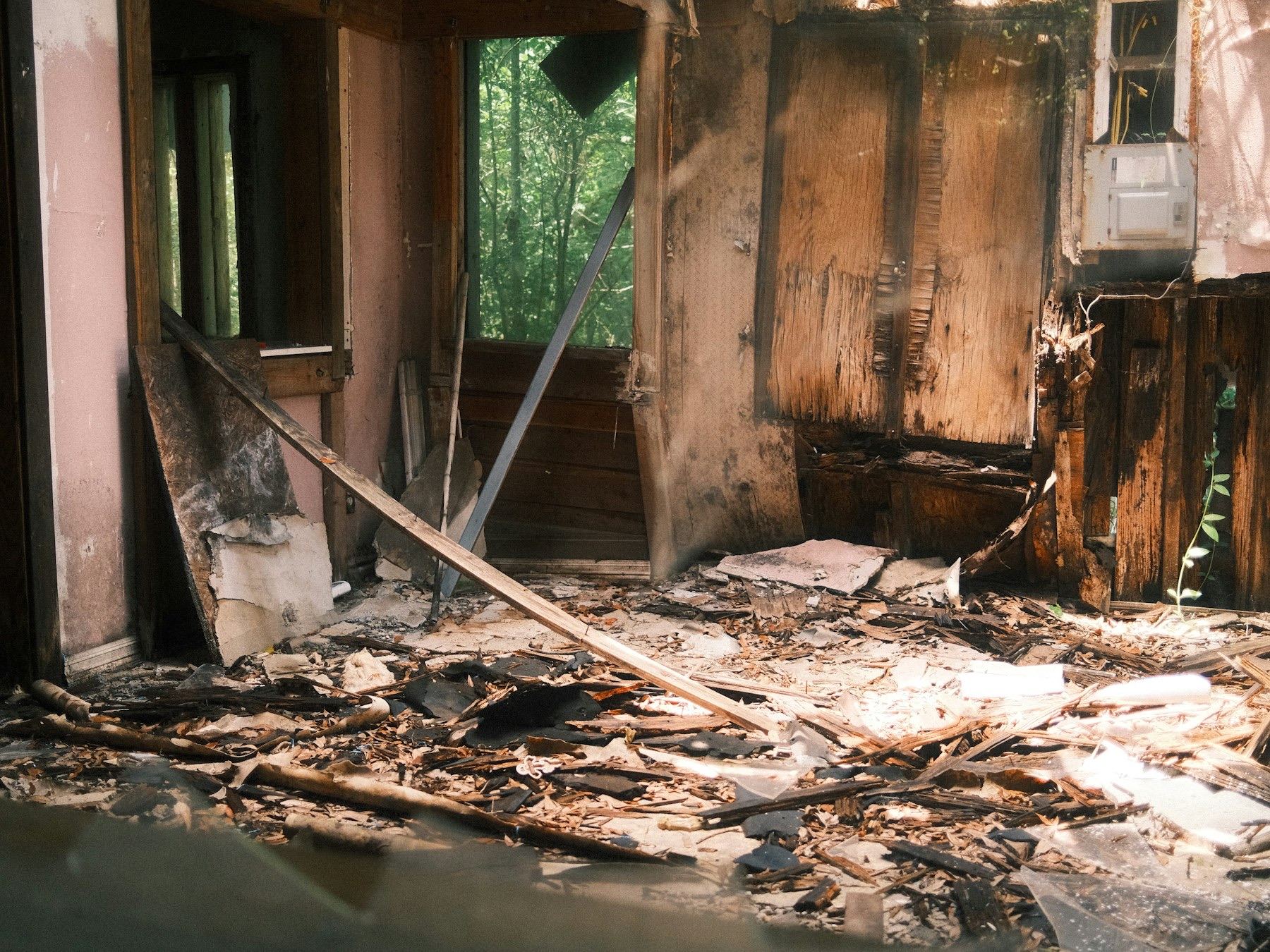
COMPLETE FIRE-DAMAGE SERVICES
Fire damage rarely ends with what burned. The Dallas team coordinates the services that return the property to a stable, clean, repair-ready condition.
Protect damaged openings and vulnerable areas after authorities release the property.
Remove residue using methods matched to the surface and the material that burned.
Address odor-holding residue and affected materials instead of masking the smell.
Handle sprinkler and firefighting water as part of the same fire-restoration plan.
Coordinate documentation, cleaning, storage, and replacement decisions for belongings.
Connect cleanup, claim documentation, and repairs so the handoff does not fall apart.
THE FULL FIRE-LOSS TEAM
Burn damage is only one part of the loss. The team can protect the property after release, clean smoke and soot, address odor, dry suppression water, organize contents, document the claim, and prepare the building for repairs.
Protect damaged openings and vulnerable areas after the property is released.
Match cleaning methods to the residue and the surface.
Find and address odor-holding residue instead of covering it up.
Remove water and dry materials affected by hoses or sprinklers.
Organize cleaning, storage, removal, and replacement decisions.
Keep photos, scope details, cleanup, and reconstruction connected.
WHY DALLAS PROPERTY OWNERS CALL
A smoke-only cleaner can miss water. A water-only contractor can miss residue and odor. A repair crew can arrive before cleanup is ready. This team keeps property protection, cleaning, drying, contents, documentation, and reconstruction tied to one recovery plan.
Fire, smoke, soot, odor, water, contents, and repairs stay connected.
You are not left coordinating a different contractor for every damage type.
Photos and scope details remain organized for the claim and repair handoff.
Start with the property facts and get a clear next step.
RECOVERY PHASES
DECISION GATE: AUTHORITY RELEASE
After authorities release the property, consider exposed openings, unsafe materials, debris, utilities, weather entry, and standing suppression water before cleanup begins.
DECISION GATE: MATERIAL AND RESIDUE CONDITIONS
Separate burned materials from smoke paths, soot residues, odor sources, contents, and connected rooms, then match cleaning decisions to the surfaces and residues involved.
DECISION GATE: MOISTURE AND REPAIR READINESS
Address suppression water, organize photographs and condition information, and connect cleanup and contents decisions to the reconstruction scope that follows.
HOW RECOVERY WORKS
Fire losses can stack burned materials, smoke, soot, odor, suppression water, contents, openings, utilities, and structural concerns. A useful record organizes photographs, affected areas, material conditions, water information, contents, and the proposed work by category.
The restoration team can answer technical questions when requested. The carrier determines coverage, approvals, deductibles, and payment.
Call about loss documentation (945) 337-1334
QUESTIONS BY INCIDENT TYPE
Smoke and fine residue move through doorways, halls, stairs, wall openings, and air pathways. The boundary depends on what burned, airflow, duration, and building layout.
Often, yes. Water used during suppression can affect drywall, insulation, flooring, cabinets, contents, and rooms below. Moisture and residue should be considered together.
No. Residue type, heat exposure, finish, porosity, age, and material condition affect testing, cleaning, removal, and repair decisions.
Follow fire-authority instructions and do not enter an unsafe property. Restoration begins after the appropriate authority releases the property and immediate hazards are addressed.
The team can organize photographs, affected-area information, contents details, suppression-water conditions, and the proposed work scope. The carrier determines coverage and payment.
The schedule depends on safety access, structure, smoke and soot spread, water, contents, cleaning tests, material removal, permitting, and reconstruction. The actual conditions control the timeline.
Yes, after the proper authority releases the property. The response can include temporary protection for damaged openings and vulnerable areas based on the condition found.
Contents should be documented and sorted by material and condition. Some items may be cleaned, moved, stored, or restored, while others may need replacement. The decision should remain tied to the claim record.